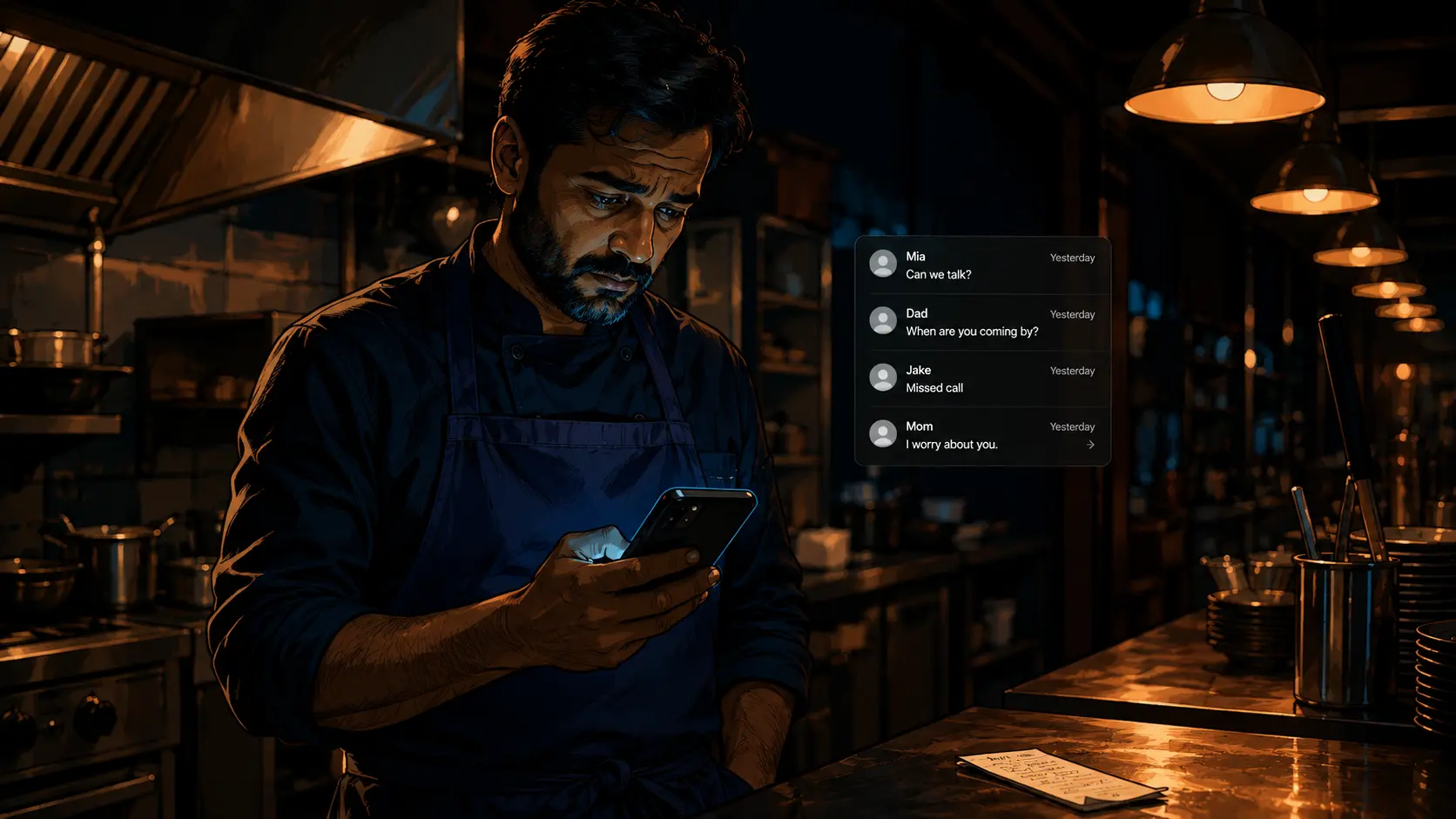
Your restaurant's biggest revenue leak is not in the kitchen. It is sitting in your WhatsApp chat history, timestamped from three weeks ago, never followed up.
The Revenue Leak You Can't See
Audit the last 90 days. Count every catering or bulk-order inquiry. Then count how many got a response after six hours. At ₹800 per cover for a 40-person event, a single lost catering booking could represent ₹32,000 in revenue. The exact number will vary by restaurant, but the exercise is the same: measure how many inquiries never received a timely follow-up.
That is the problem with silent losses. They do not trigger a meeting. Theft does. Wastage does. A catering lead that dies in a chat thread just disappears. Research has consistently shown that businesses that respond to inquiries quickly are significantly more likely to connect with and convert prospects than those that wait hours or days.
How Good Leads Quietly Disappear
Here is what actually happens. A customer messages about a corporate lunch for 50 people. The manager sees it at 2:45 PM — kitchen is slammed, delivery coordinator is on the phone. He will reply after the rush. He does not. By 9 PM, the customer has confirmed with someone else. By morning, the inquiry never existed.
This is not a people problem. It is a coordination problem wearing a people problem's clothes.
Build a Follow-Up Process That Doesn't Depend on Memory
Many operators have reduced their reliance on memory and manual follow-up by introducing simple workflows that capture and route inquiries automatically. They run automation systems that capture incoming inquiries, acknowledge customers, and ensure follow-up happens even during peak service periods. No lead waits in a thread. No follow-up depends on the manager remembering at 9 PM when he is already done.
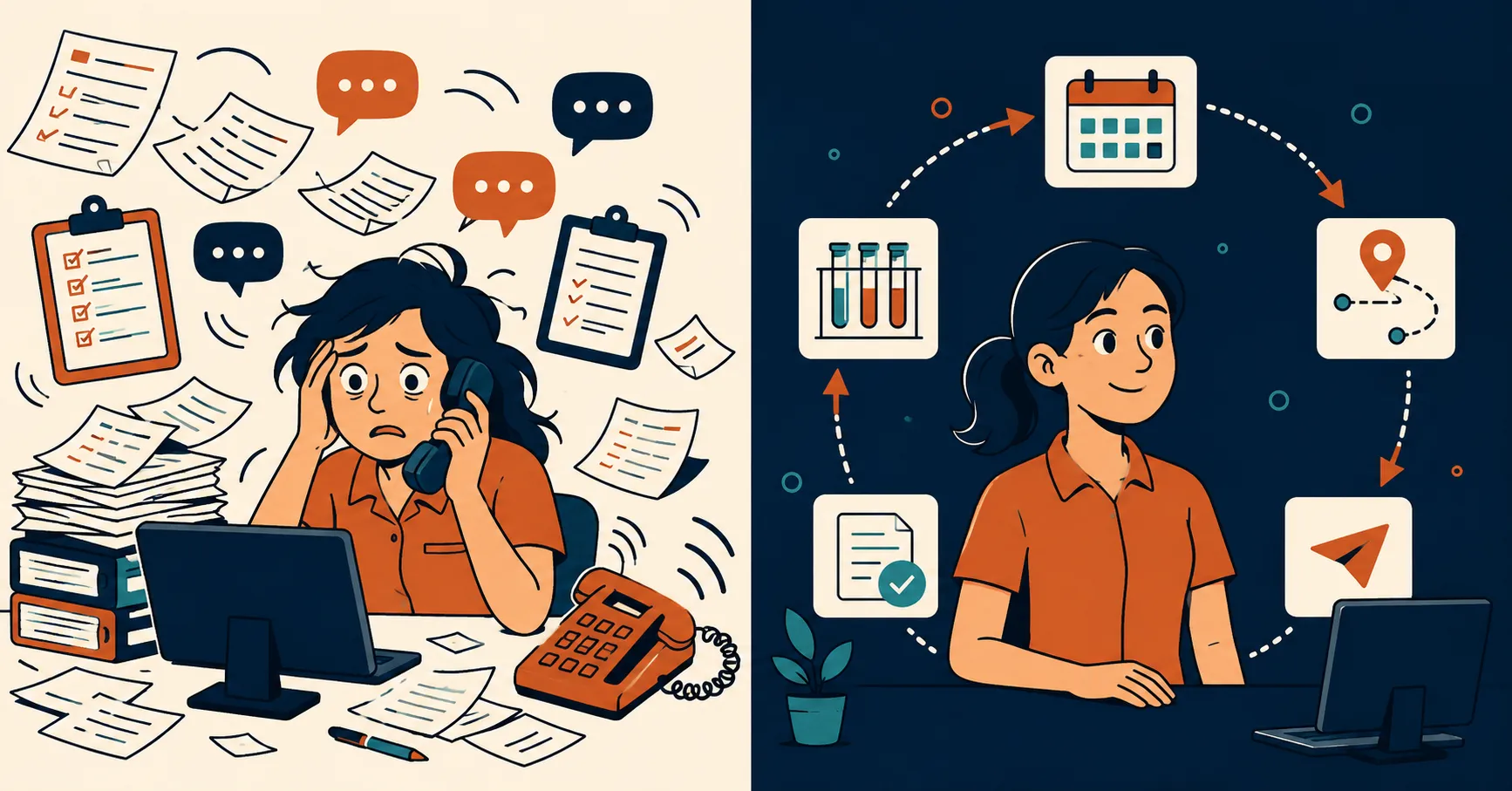
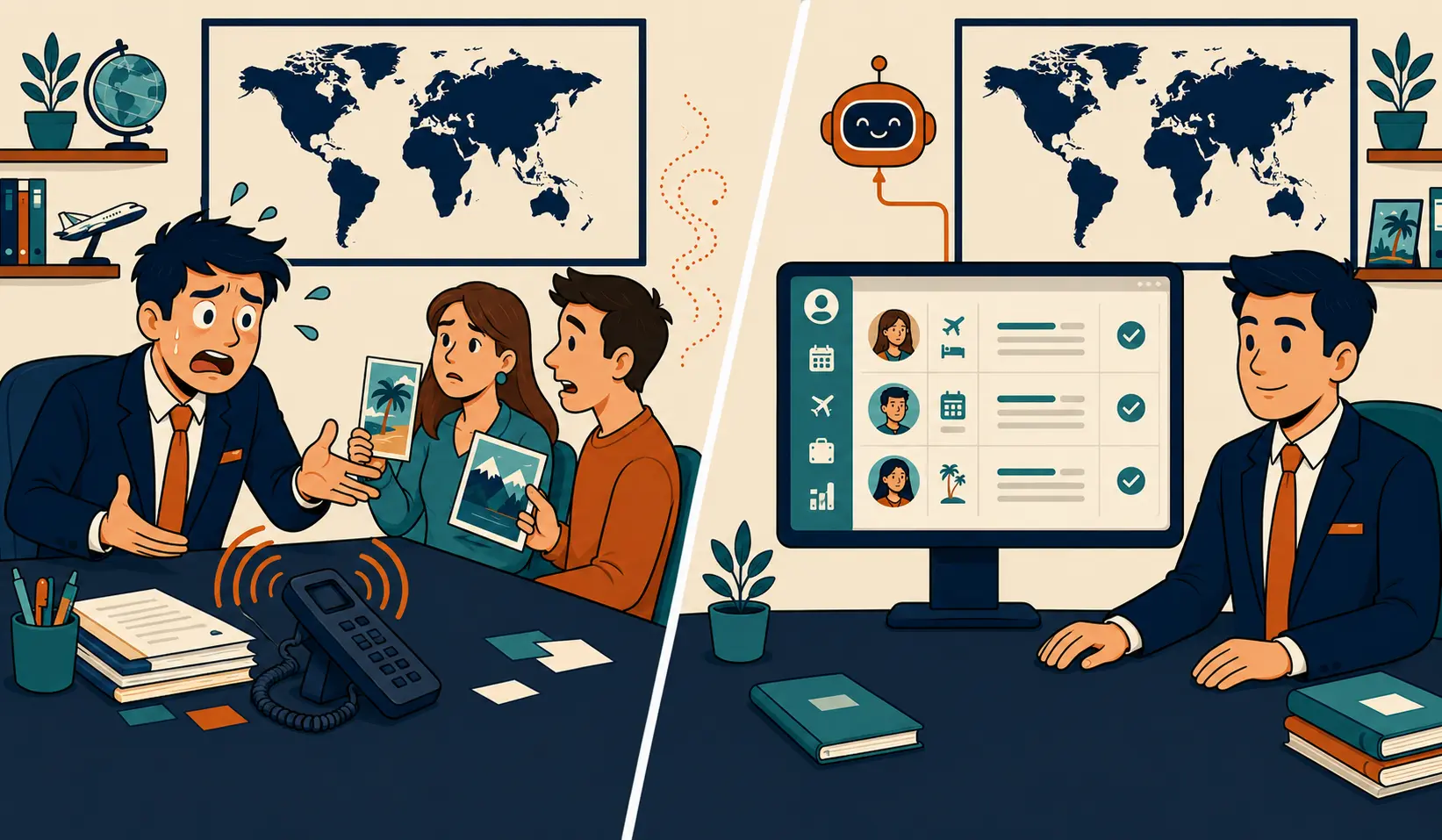
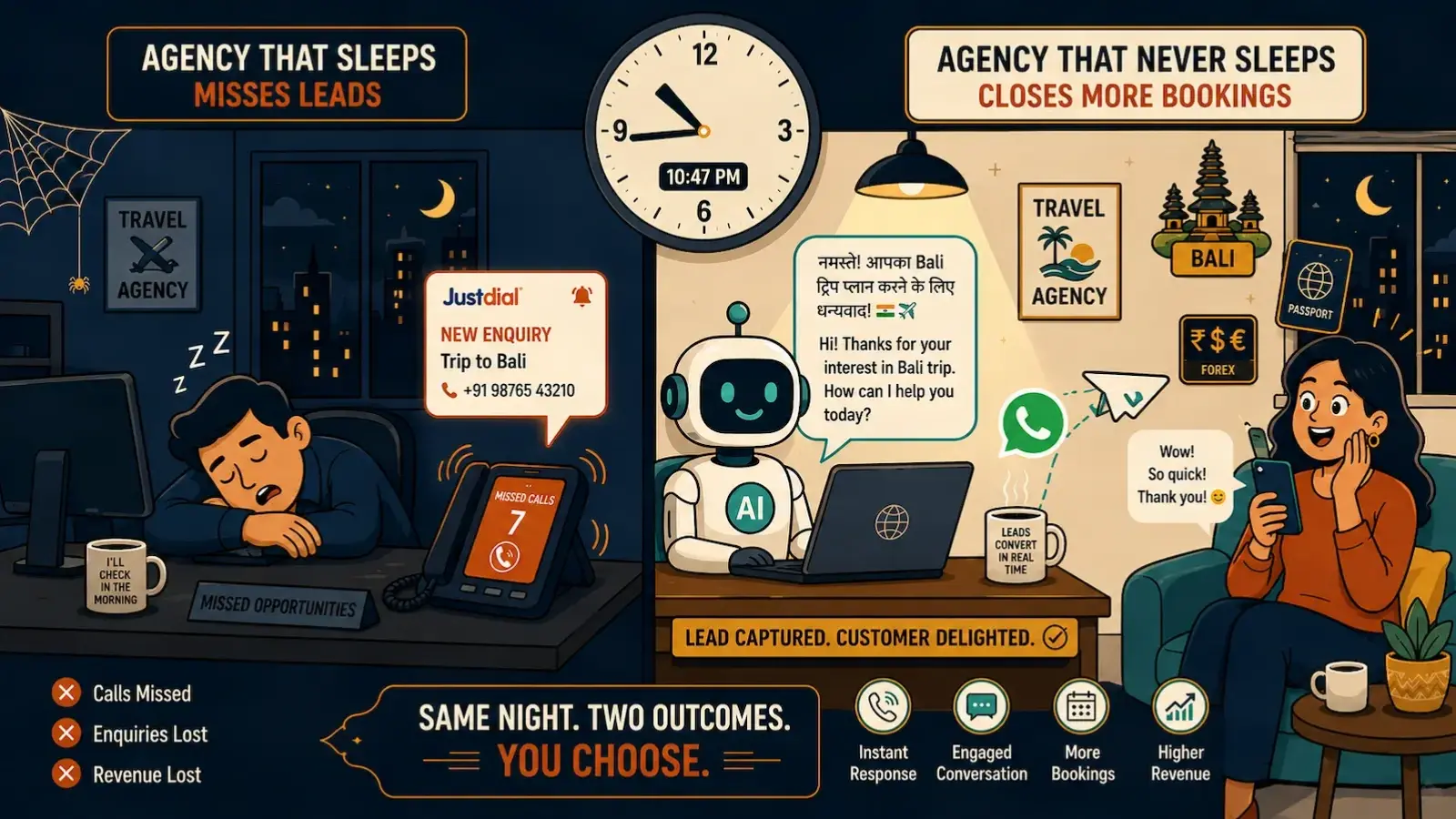
Manual: a promising inquiry arrives during peak hour, gets buried, evaporates. Automated: the same inquiry gets captured, qualified, and queued before anyone has plated a single dish. One of these compounds into revenue. The other compounds into nothing.
Some owners say their customers prefer the personal touch. For a table booking, that is correct. For someone who wants your per-plate rate for a birthday dinner for 30, it is not. She wants a number and a callback. The system handles that. The relationship begins after.
Why More Restaurants Are Automating Lead Handling
Many restaurants are introducing systems that reduce dependence on memory, spreadsheets and manual follow-up as they look to improve consistency and responsiveness. Others still coordinate catering and bulk-order inquiries through a shared WhatsApp number, spreadsheets and manual follow-ups—an approach that can become harder to sustain as inquiry volumes grow.
The question is not whether the current system needs to change. The question is how much longer it keeps costing you before someone finally counts.
If catering and bulk-order inquiries are still being managed through WhatsApp, spreadsheets and manual follow-ups, the issue usually isn't your team's effort, it's the workflow they're relying on. Tofabza helps restaurant owners design and automate lead handling workflows that reduce missed opportunities and improve response consistency. If you'd like to see where friction exists in your current process, let's have a practical conversation. No sales pitch. Just a look at how your inquiries move from first message to confirmed booking.
FAQs
Should restaurants focus more on Google Business Profile or Instagram?
Both are valuable, but they serve different purposes. Instagram helps build awareness and showcase your brand, while an up-to-date Google Business Profile helps people who are actively searching for a place to eat discover and choose your restaurant.
How often should I update my Google Business Profile?
There's no fixed schedule, but regularly uploading fresh photos, responding to reviews, updating business hours and sharing relevant posts can help keep your profile accurate and engaging for potential customers.
Can restaurant marketing be automated?
Many repetitive tasks—such as review monitoring, content planning, customer communication and workflow reminders—can be streamlined through automation. The right solution depends on your restaurant's operations and marketing goals.
Why do restaurants struggle to post consistently on social media?
Consistency often breaks down because content creation relies on the owner or a single staff member finding time during busy service periods. A documented workflow, shared assets and clear responsibilities make it easier to maintain a regular online presence.